
The Vibrant Community of Vanuatu Culture, Connection, and Conservation

The Vibrant Community of Vanuatu: Culture, Connection, and Conservation
Vanuatu, an archipelago located in the South Pacific, is not just known for its stunning landscapes and white sandy beaches. It’s a place with a rich tapestry of communities that thrive on social connections, cultural heritage, and mutual support. To truly understand Vanuatu, one must delve into its communities—each unique, yet deeply intertwined with the nation’s overarching identity. To learn more about the initiatives in these communities, you can vanuatu community visit website that focuses on local empowerment.
A Glimpse into the Culture
The cultural heritage of Vanuatu is an integral part of its identity. The country boasts over 113 languages, making it one of the most linguistically diverse places in the world. This linguistic variety reflects the rich cultural practices, traditions, and beliefs that are held within different island communities. Indigenous customs, vibrant dances, music, and artistic expressions are vital for community bonding and identity reinforcement. Each island in Vanuatu has its own unique dialect, traditions, and practices, contributing to the rich mosaic of cultural heritage found throughout the archipelago.
The Importance of Community Connections
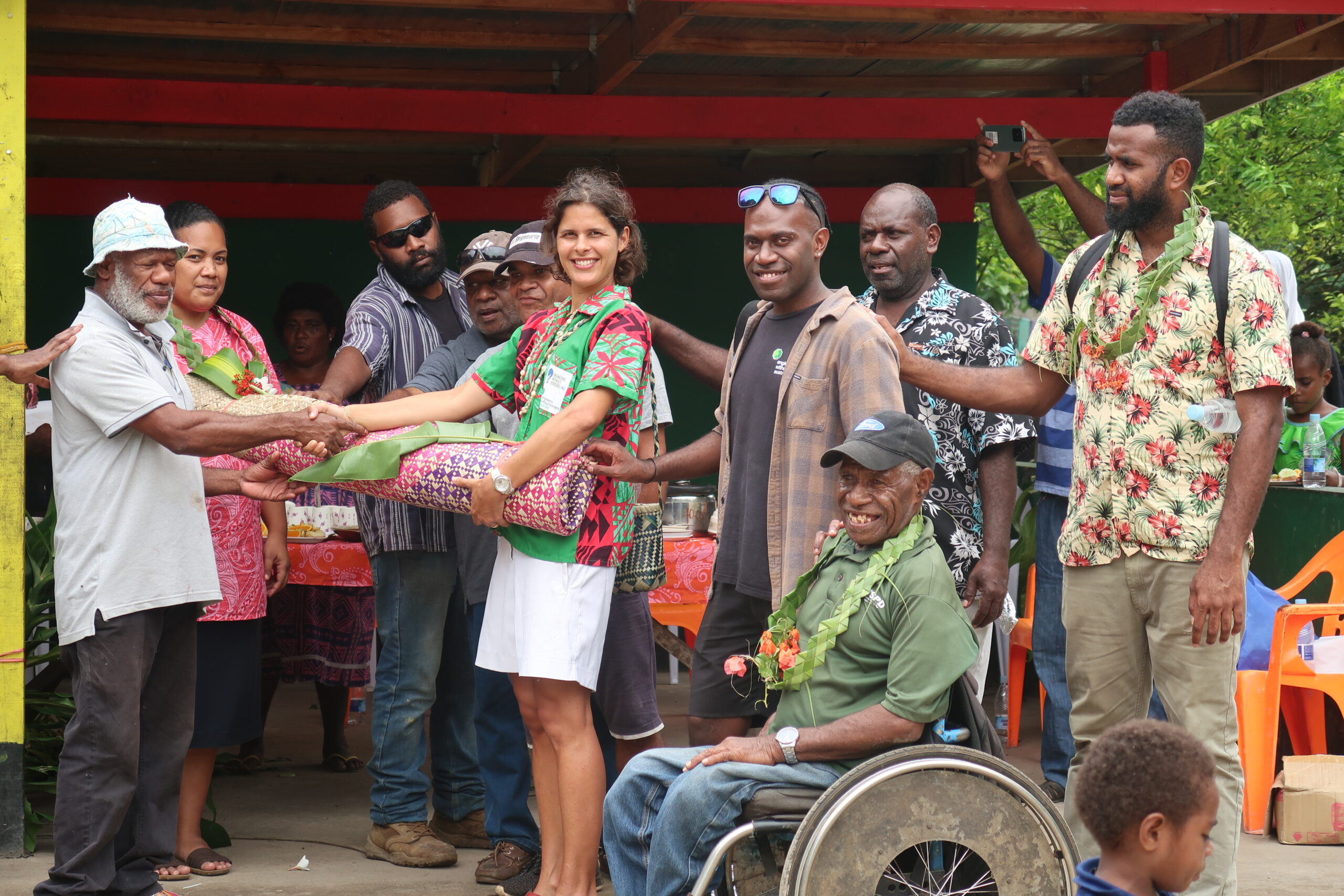
Community life in Vanuatu is characterized by a strong sense of togetherness. Many social structures are based on kinship ties, and this familial bond plays a significant role in how communities function. The principle of “kastom,” or custom, governs many aspects of life, emphasizing respect for traditions and communal decision-making. People gather for important events like births, weddings, and memorials, illustrating their interconnectedness. These gatherings foster social cohesion and offer opportunities for sharing knowledge, skills, and resources among community members.
Economic Contributions and Challenges
Communities in Vanuatu engage in various forms of economic activity. Traditional subsistence farming remains a vital source of sustenance for many. Crops such as taro, yam, and coconut are cultivated, and fishing continues to play an important role in local diets. Furthermore, tourism has emerged as a significant economic driver, presenting both opportunities and challenges. While tourism brings income and awareness to local communities, it also requires a balance to ensure cultural integrity and environmental sustainability. Community-based tourism initiatives can help achieve this balance, allowing visitors to connect with local cultures and contribute to the economy while ensuring that local interests are prioritized.
Environmental Stewardship
Vanuatu’s communities are also at the forefront of environmental conservation efforts. Given its vulnerability to climate change, particularly rising sea levels and increased cyclone intensity, many communities have taken proactive steps to safeguard their environment. Initiatives range from reforestation projects to sustainable fishing practices. The “Napa” or traditional resource management systems enable local communities to manage their natural resources more effectively. By integrating traditional knowledge with modern environmental practices, Vanuatu’s communities strive to protect their land and sea for future generations.
Empowerment Through Education
Education serves as a critical catalyst for community empowerment in Vanuatu. Various non-governmental organizations and government initiatives have focused on enhancing educational opportunities to build a more informed and skilled population. Community-based schools have been established in remote areas, emphasizing local culture and languages while delivering essential academic content. Education programs aim not only to improve literacy rates but also to instill a sense of responsibility towards community and environment, equipping young Ni-Vanuatu with the skills to contribute meaningfully to their communities.
Health and Well-being
Community health is a priority in Vanuatu, with numerous programs aiming to improve access to healthcare services. Local communities have mobilized to address issues such as maternal health, nutrition, and chronic diseases. Traditional healers work alongside modern medical practitioners, creating a complementary healthcare system that respects cultural traditions. Community engagement in health initiatives leads to improved outcomes, creating a resilient population better prepared to face challenges.
Governance and Participation
In Vanuatu, active community participation in governance is vital. Traditional leaders, known as chiefs, play a crucial role in decision-making processes, alongside elected officials in local councils. Community meetings provide platforms for members to voice their concerns and contribute to local governance. This participatory governance model nurtures democratic practices and connects people to the decision-making processes that impact their lives. It fosters transparency, accountability, and a shared sense of ownership over community initiatives.
Challenges Ahead
As with many communities worldwide, Vanuatu faces numerous challenges, including the impacts of climate change, economic vulnerability, and social issues. Young people often migrate to urban areas in search of better opportunities, which can lead to a loss of cultural heritage and social cohesion in rural communities. Addressing these challenges requires a collective effort among communities, government, and international partners. Investing in sustainable development practices that prioritize both people and the environment is crucial for the long-term well-being of Vanuatu’s communities.
The Future of Vanuatu’s Communities
The spirit of community in Vanuatu is resilient and adaptive. As the nation navigates through contemporary challenges, the values of kinship, cultural heritage, and environmental stewardship continue to play a central role in shaping its future. Supporting local initiatives, empowering communities, and embracing sustainable practices will be key to ensuring that Vanuatu remains a vibrant and thriving tapestry of communities. The bonds created through shared experiences, traditions, and a collective vision will undoubtedly guide Vanuatu’s journey as it moves forward.